news
Bangalter says no to AI, and coming from him that's not a small answer
Coming from one half of an act that spent two decades interrogating the human-machine boundary on record, a considered 'no' to AI carries more weight than the same line from an artist who's never engaged the question.
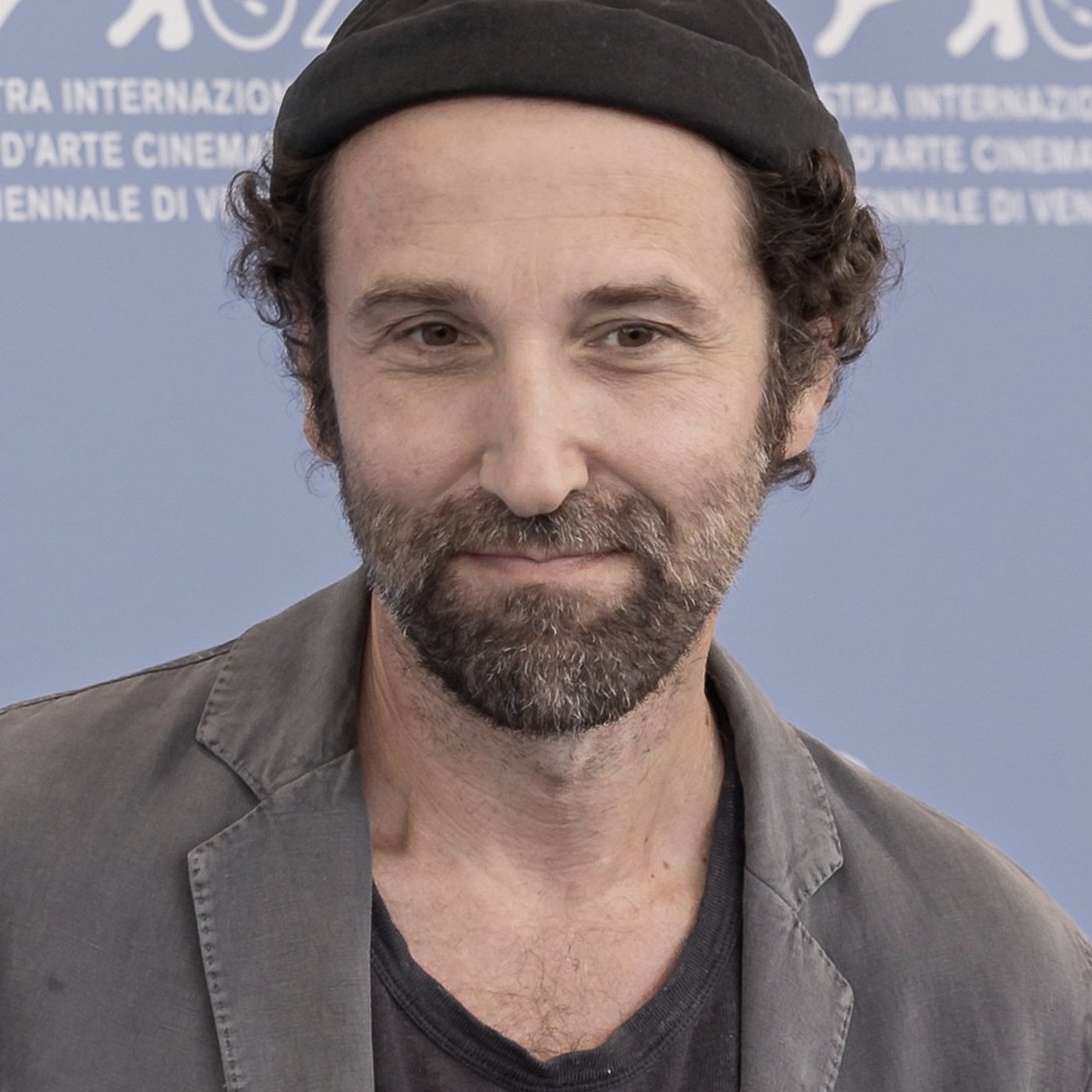
Thomas Bangalter told Chanel's Yana Peel, in a stage conversation at Art Basel, that he's "not really interested in the creative usage of AI." Considered answer, considered room, not a line dropped into a comments section. And coming from one half of an act that's spent three decades asking exactly this question with every other tool available, it's the strongest version of that answer anyone in the room could have given.
There's a gap between how producers talk about AI and how audiences already do. "Generative music" used to name something specific — rules-based systems, patches and constraints doing the variation, not a person choosing each sound. That meaning's been crowded out almost everywhere outside academic corners, replaced by one that has nothing to do with rules and everything to do with a prompt. Producers still know the difference. Whether an audience raised on the newer sense of "generative" hears Bangalter's line the way a producer would is a separate question, and a harder one than the quote itself.
Daft Punk's catalogue is that question, worked out in public. The vocoder is the instrument on Discovery. The robot personas were the whole marketing apparatus, not a costume over it. Random Access Memories swapped samples for session musicians on purpose, putting a human hand back into a process the group's own earlier records had spent years automating. This isn't Bangalter's first time weighing in on where the machine stops and the person starts. It's the same question, asked by a newer tool, and he earns the standing to answer it.
"Not interested" undersells the work behind it. A vocoder processes a voice that's still in the room, singing. Sampling repurposes somebody else's recording, but a person still chose which piece and where it sits. Every automation Daft Punk ever built into a record kept one human decision at the end of the chain. Random Access Memories makes the strongest case for that decision, against a decade of dance music that had started to do without it.
Generative AI is the first tool in that whole lineage that can remove the decision instead of relocating it. Read that way, Bangalter's line isn't a blanket verdict on machines making sounds. It's a line drawn around the one part of the process he's defended for thirty years: the hand at the end of it.
He didn't spell any of that out at Art Basel, and nobody pushed him to. What "not interested" actually rules in and out is the harder question for an artist whose own catalogue runs on vocoders, sampling and studio processing most people would already call automation. It's still sitting there, unasked.